Clg logo Admission Enquiry e Learning
Registration on NATS Portal Holiday on Ram Navami Holiday on account of Dola Purnima and Holi

Electrical Engineering

The Department of Electrical Engineering was established during the mid rising of the institute in 2010. It took a pioneering role in establishing the graduate program in Electrical engineering. This Department has been actively engaged in teaching and research in its field. The Department is strong with all members holding M.Tech degrees and involved in schedule study and research works in various fields. The major areas of faculty expertise include Power System, Control System, Power electronics & Electrical Drives, Energy Management etc. The department has a team of experienced faculties from eminent institutions of our country. The B.Tech Electrical Engineering programme is conducted as per the syllabus prescribed by the Biju Pattnayak Technical University (BPUT) Odisha, which includes major subjects like Basic Electrical Engineering, Circuit Theory & Networks, Electrical Measurements, Electrical Machines, Control System, Electrical Drives, Power Systems, Power Electronics, Field Theory etc. The department also has a history of strong R&D base and it has produced a number of good students in Electrical Engineering.

Vision

To become a leader in the field of Electrical Engineering education & research.

Mission

  • M1: To produce capable electrical engineers to meet the industry need.
  • M2: To transfer cutting-edge technologies to service industries.
  • M3: To engage students and faculty members in innovation & research.

Knowledge and Attitude Profile (WK)

  • WK1: A systematic, theory-based understanding of the natural sciences applicable to the discipline and awareness of relevant social sciences.
  • WK2: Conceptually-based mathematics, numerical analysis, data analysis, statistics, and formal aspects of computer and information science to support detailed analysis and modelling applicable to the discipline.
  • WK3: A systematic, theory-based formulation of engineering fundamentals required in the engineering discipline.
  • WK4: Engineering specialist knowledge that provides theoretical frameworks and bodies of knowledge for the accepted practice areas in the engineering discipline; much is at the forefront of the discipline.
  • WK5: Knowledge, including efficient resource use, environmental impacts, whole-life cost, re-use of resources, net zero carbon, and similar concepts, that supports engineering design and operations in a practice area.
  • WK6: Knowledge of engineering practice (technology) in the practice areas in the engineering discipline.
  • WK7: Knowledge of the role of engineering in society and identified issues in engineering practice in the discipline, such as the professional responsibility of an engineer to public safety and sustainable development.
  • WK8: Engagement with selected knowledge in the current research literature of the discipline, awareness of the power of critical thinking and creative approaches to evaluate emerging issues.
  • WK9: Ethics, inclusive behavior, and conduct. Knowledge of professional ethics, responsibilities, and norms of engineering practice. Awareness of the need for diversity by reason of ethnicity, gender, age, physical ability, etc. with mutual understanding and respect, and of inclusive attitudes.

Programme Educational Objectives (PEOs)

  • PEO 1: Establish their careers in the field of Electrical Engineering and related areas, providing innovative and effective solutions.
  • PEO 2: Establish themselves as entrepreneur, work in research and development organization and pursue higher education.
  • PEO 3: Involve in continuous learning through state-of-the-art technologies for solving societal problems using logical and flexible approaches in decision-making.

Programme Specific Outcomes (PSOs)

  • PSO 1 - Professional Skills: Achieve excellence in power system and power engineering related fields.
  • PSO 2 - Problem-Solving Skills: Attain proficiency in renewable energy engineering and to find solution on various research problem in the core area.
  • PSO 3 - Successful Carrier and Enterpreneur Skills: Acquire knowledge in the field of power engineering by doing research in the lifelong learning process.

Program Outcomes (POs)

  • PO1 - ENGINEERING KNOWLEDGE: Apply knowledge of mathematics, natural science, computing, engineering fundamentals and an engineering specialization as specified in WK1 to WK4 respectively to develop solutions for complex engineering problems.
  • PO2 - PROBLEM ANALYSIS: Identify, formulate, review research literature and analyze complex engineering problems reaching substantiated conclusions with consideration for sustainable development. (WK1 to WK4)
  • PO3 - DESIGN/DEVELOPMENT OF SOLUTIONS: Design creative solutions for complex engineering problems and design/develop systems/components/processes to meet identified needs with consideration for public health and safety, whole-life cost, net zero carbon, culture, society, and environment as required. (WK5)
  • PO4 - CONDUCT INVESTIGATIONS OF COMPLEX PROBLEMS: Conduct investigations of complex engineering problems using research-based knowledge including design of experiments, modelling, analysis, and interpretation of data to provide valid conclusions. (WK8)
  • PO5 - ENGINEERING TOOL USAGE: Create, select and apply appropriate techniques, resources, and modern engineering & IT tools, including prediction and modelling, recognizing their limitations to solve complex engineering problems. (WK2 and WK6)
  • PO6 - THE ENGINEER AND THE WORLD: Analyze and evaluate societal and environmental aspects while solving complex engineering problems for their impact on sustainability with reference to economy, health, safety, legal framework, culture, and environment. (WK1, WK5, and WK7)
  • PO7 - ETHICS: Apply ethical principles and commit to professional ethics, human values, diversity and inclusion, adhere to national and international laws. (WK9)
  • PO8 - INDIVIDUAL AND COLLABORATIVE TEAMWORK: Function effectively as an individual, and as a member or leader in diverse/multidisciplinary teams.
  • PO9 - COMMUNICATION: Communicate effectively and inclusively within the engineering community and society at large, such as being able to comprehend and write effective reports and design documentation, and make effective presentations considering cultural, language, and learning differences.
  • PO10 - PROJECT MANAGEMENT AND FINANCE: Apply knowledge and understanding of engineering management principles and economic decision-making and apply these to one’s own work, as a member and leader in a team, and to manage projects and multidisciplinary environments.
  • PO11 - LIFE-LONG LEARNING: Recognize the need for, and have the preparation and ability for:
    1. Independent and life-long learning.
    2. Adaptability to new and emerging technologies.
    3. Critical thinking in the broadest context of technological change.
    (WK8)

Facilities

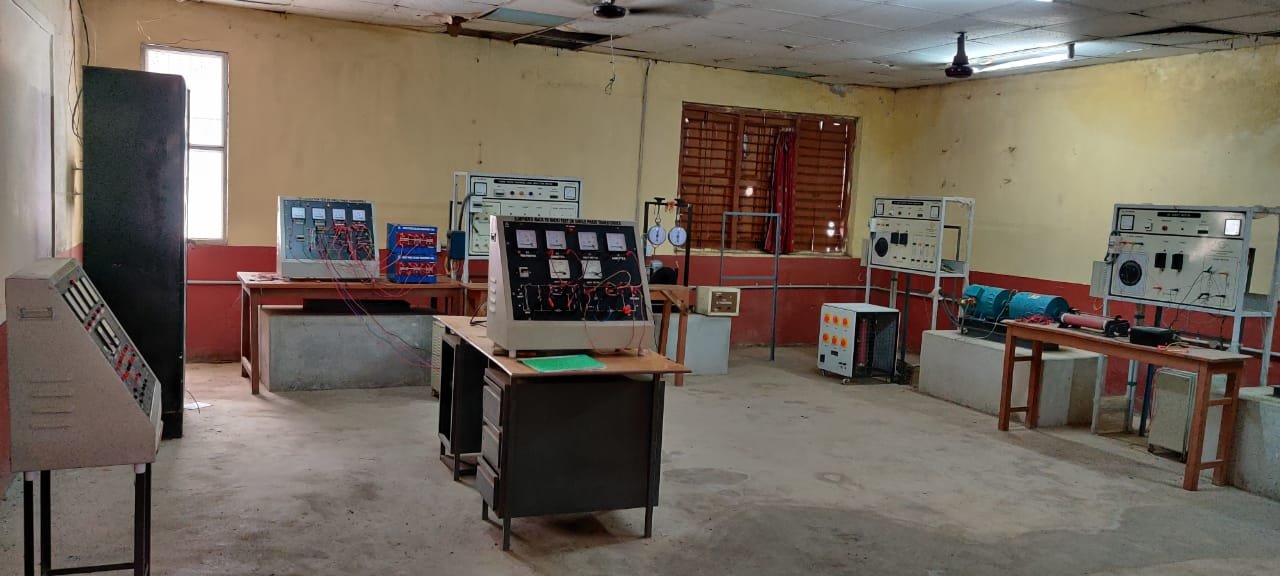
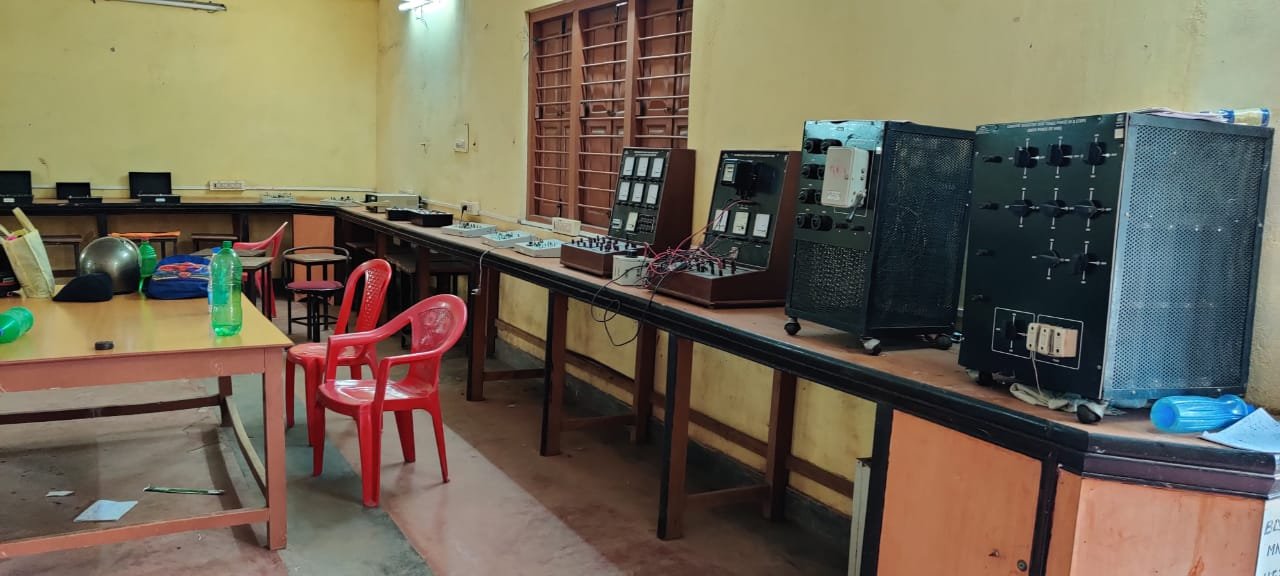
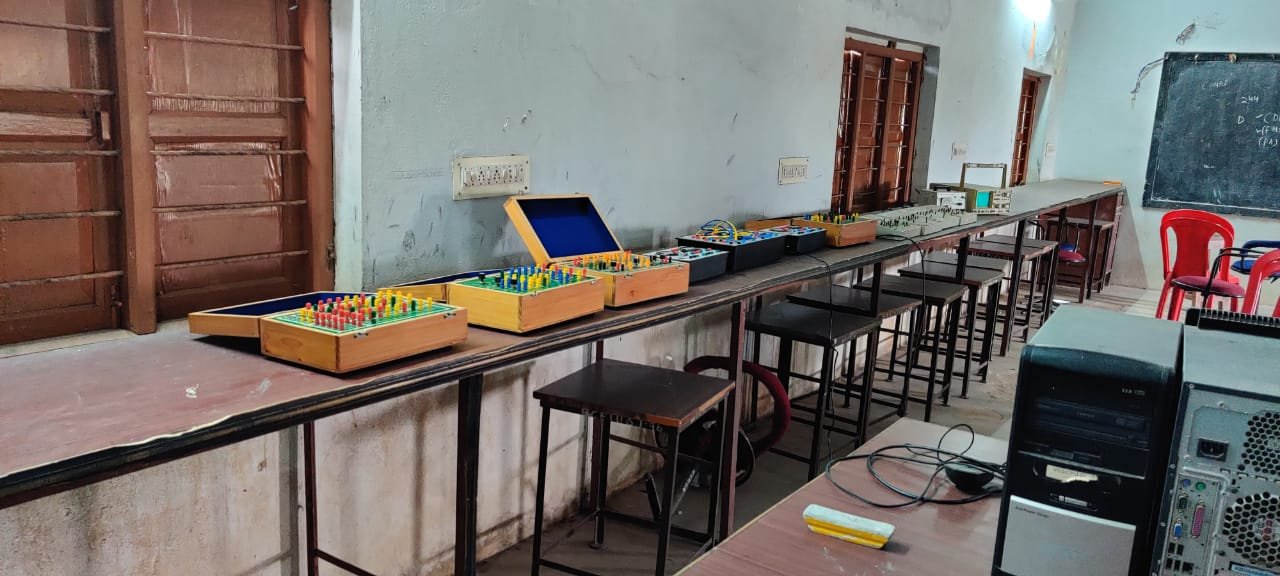
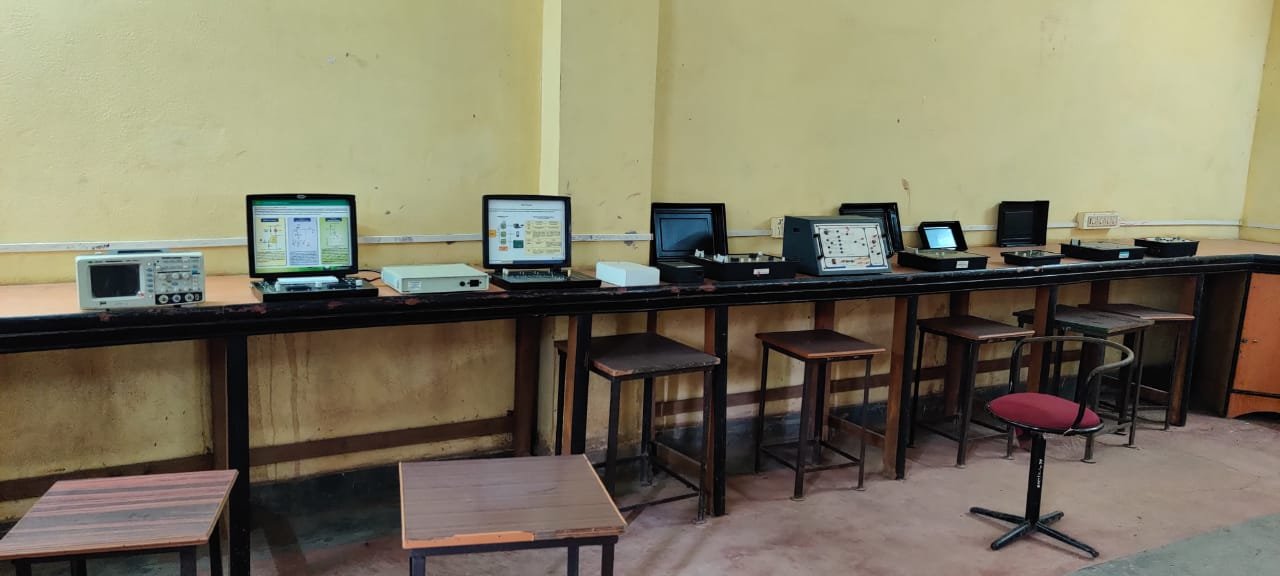
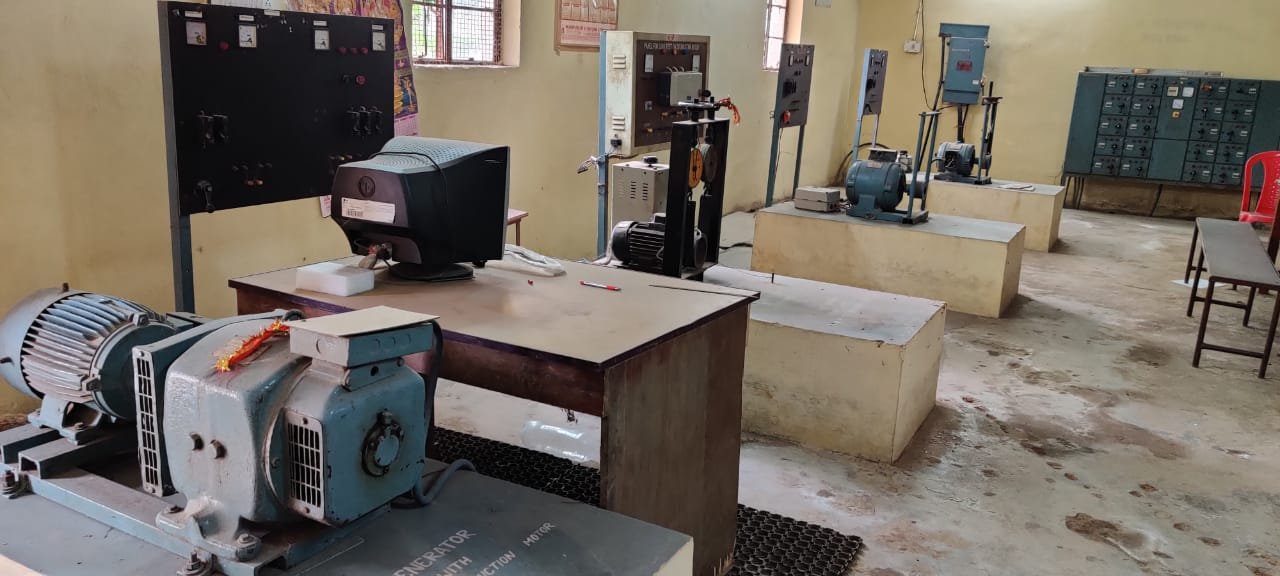
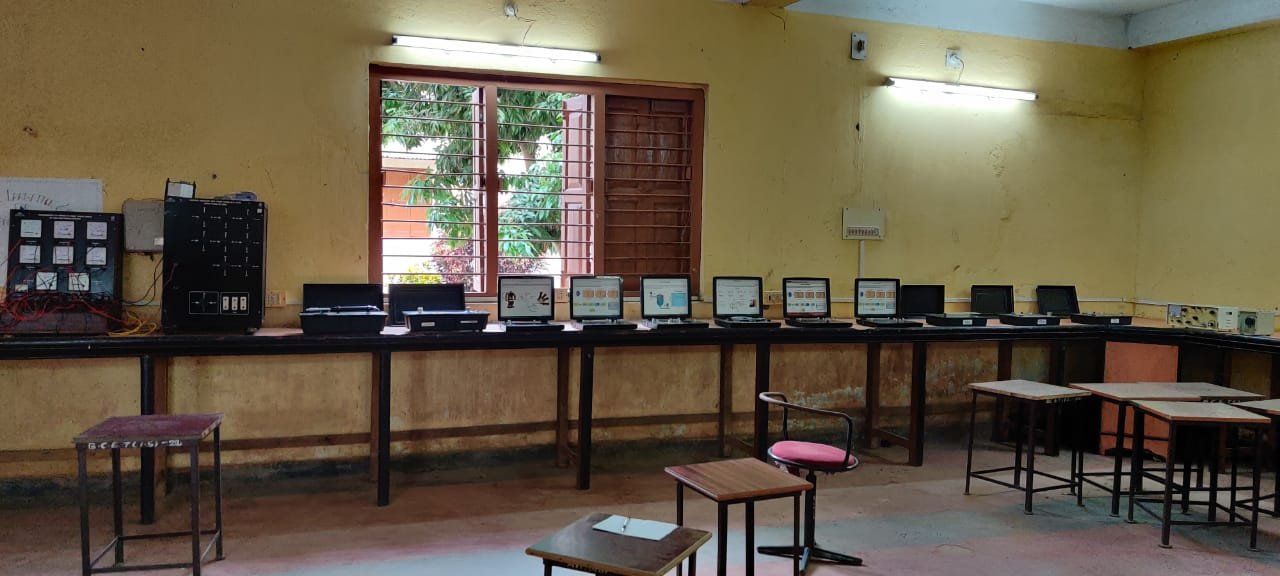
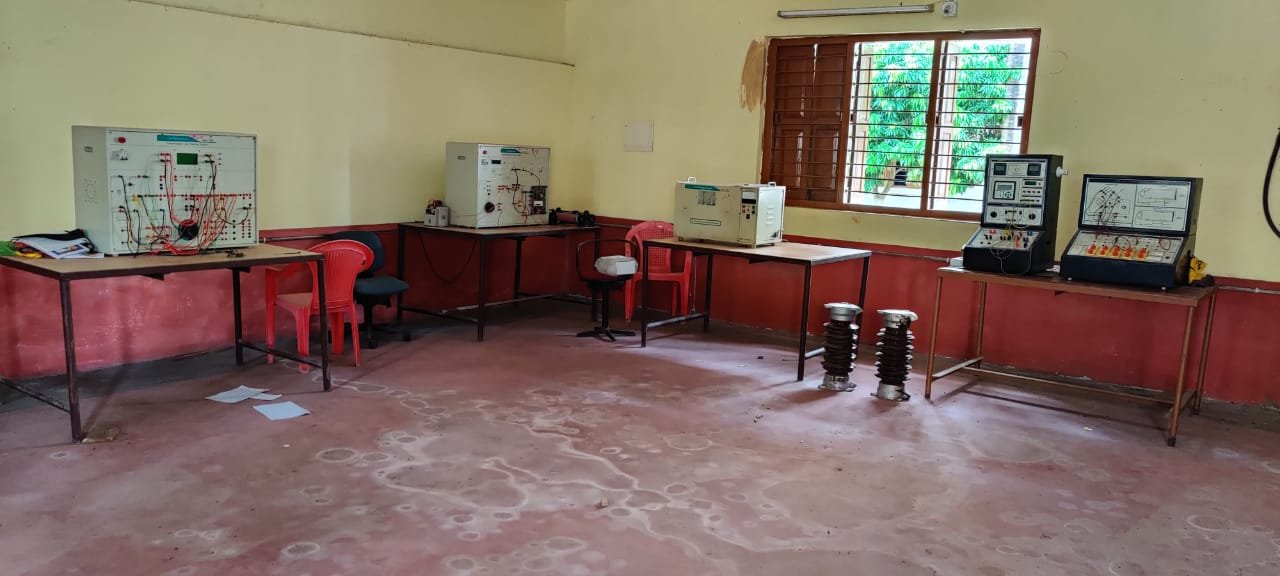
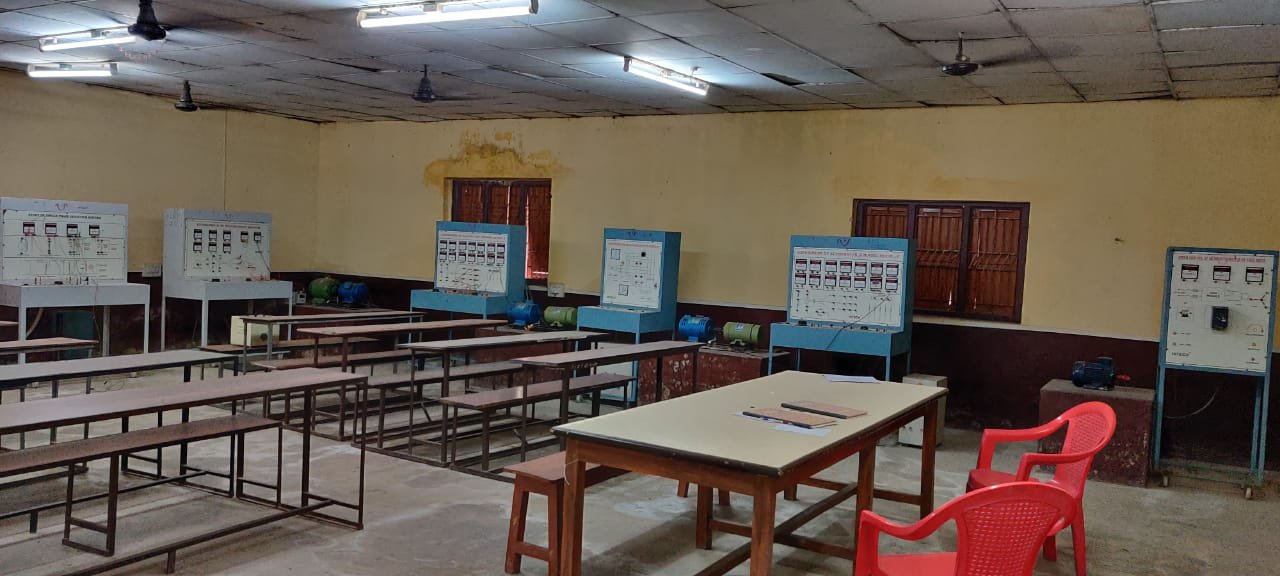
State-of-art laboratories , Well qualified faculties , Seminar hall

Job oppurtunity

Obtaining an engineering degree in Electrical Engineering will open the door to many opportunities. In today's high-tech world, this engineering degree is a great foundation for careers in traditional engineering fields as well as for careers in management, sales, government, medicine, research, teaching and more.
Basic electrical lab

Power electronics

Control system

Machine 1 lab

Machine 2 lab

Measurement lab

EPTD Lab

Network Theory Lab

Power System Lab

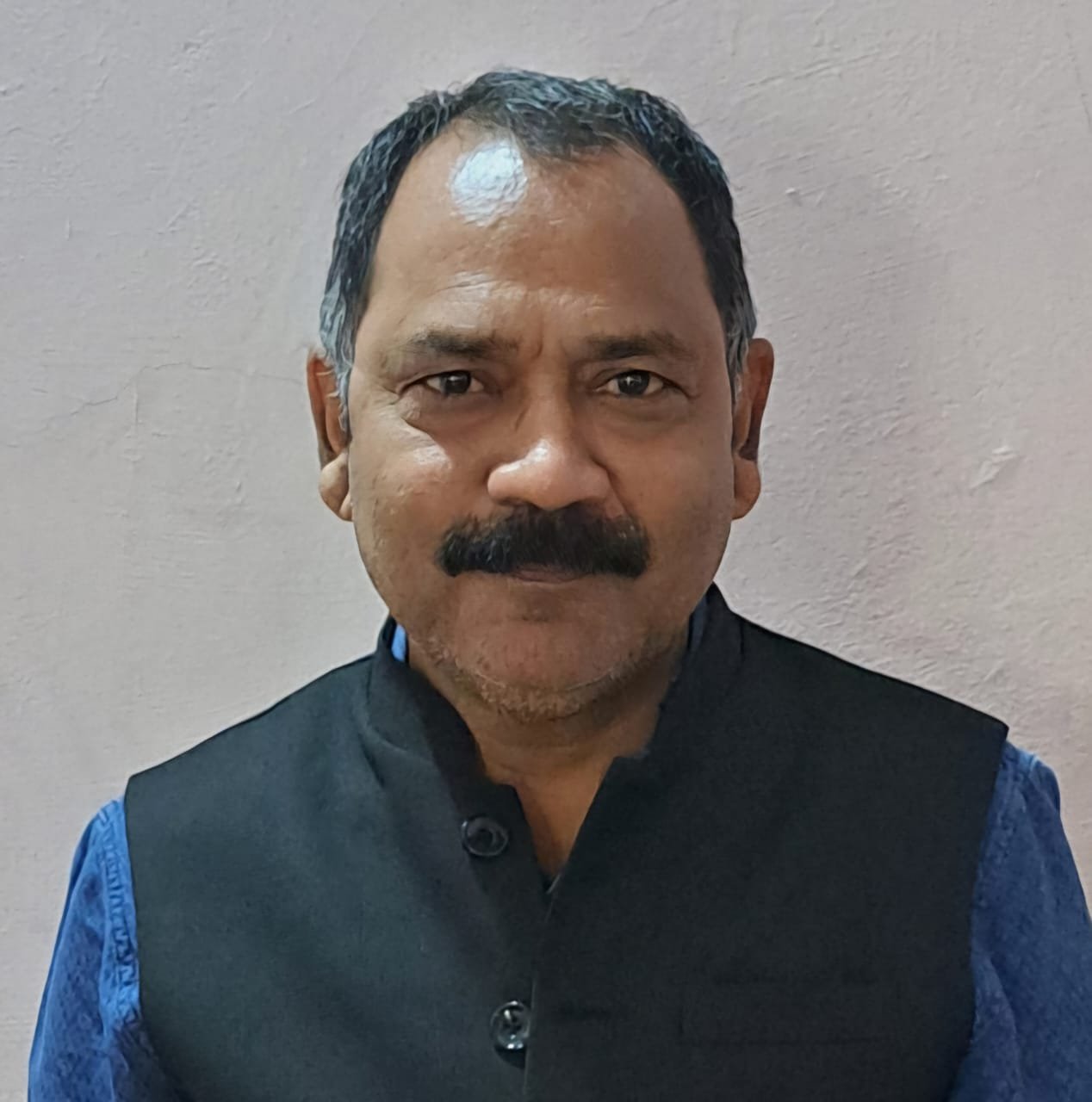
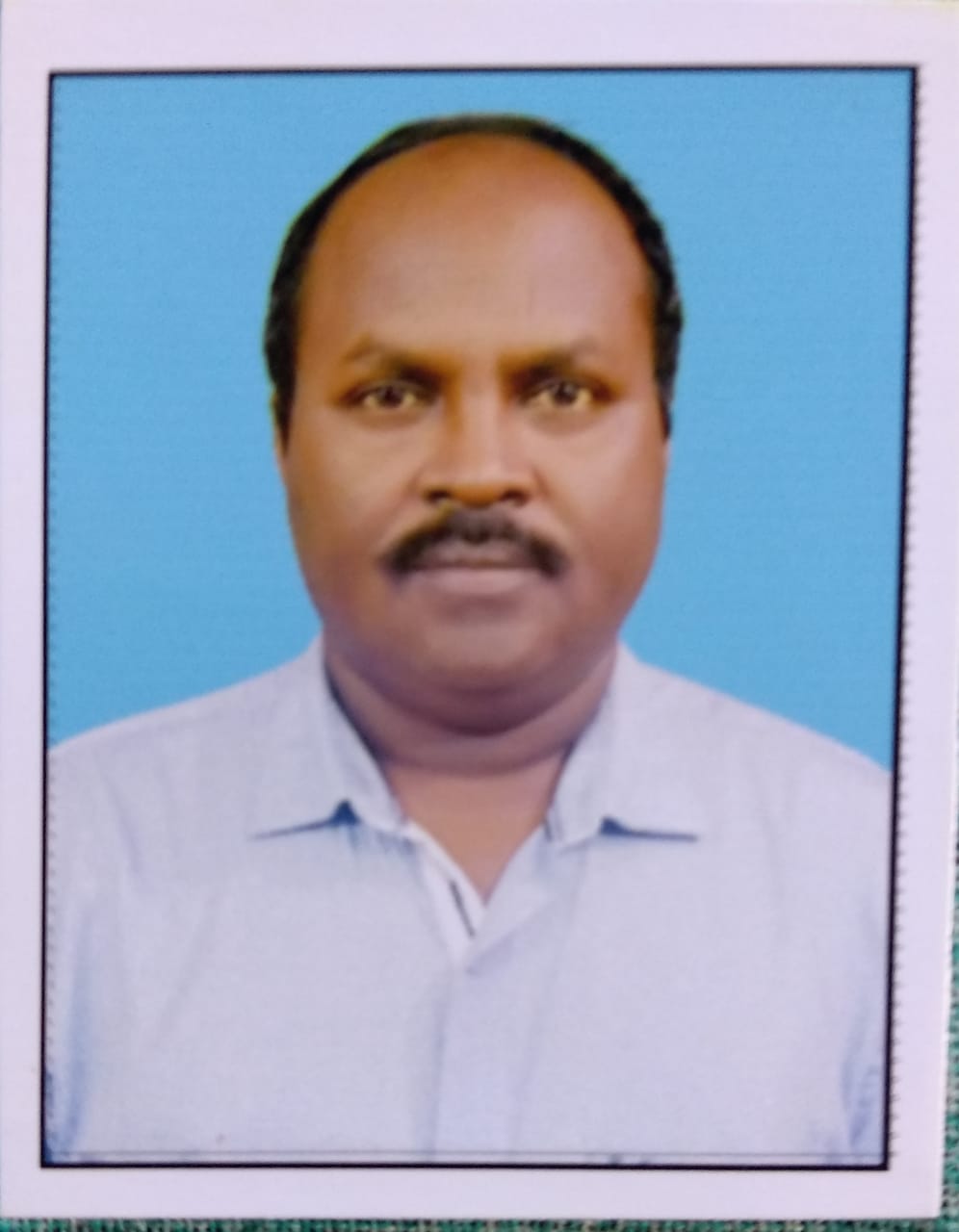
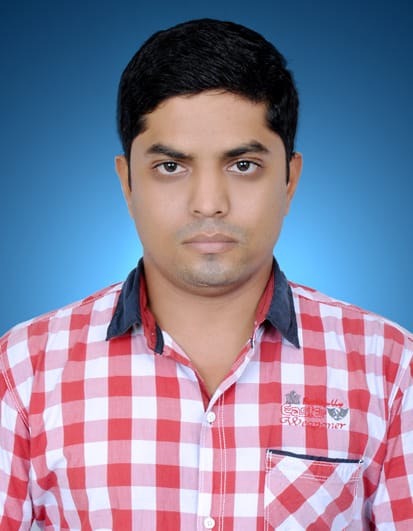
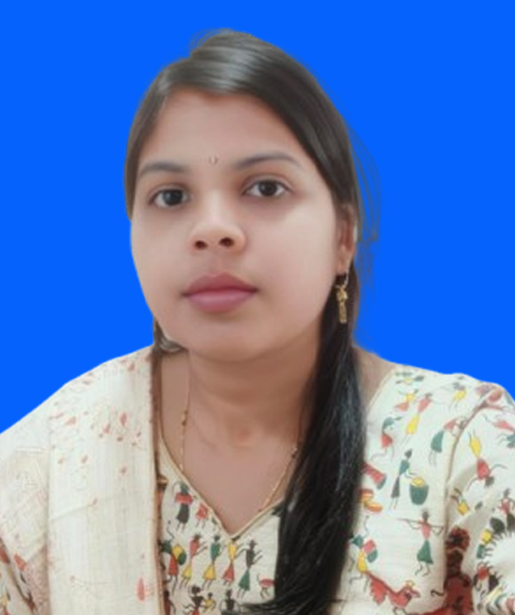
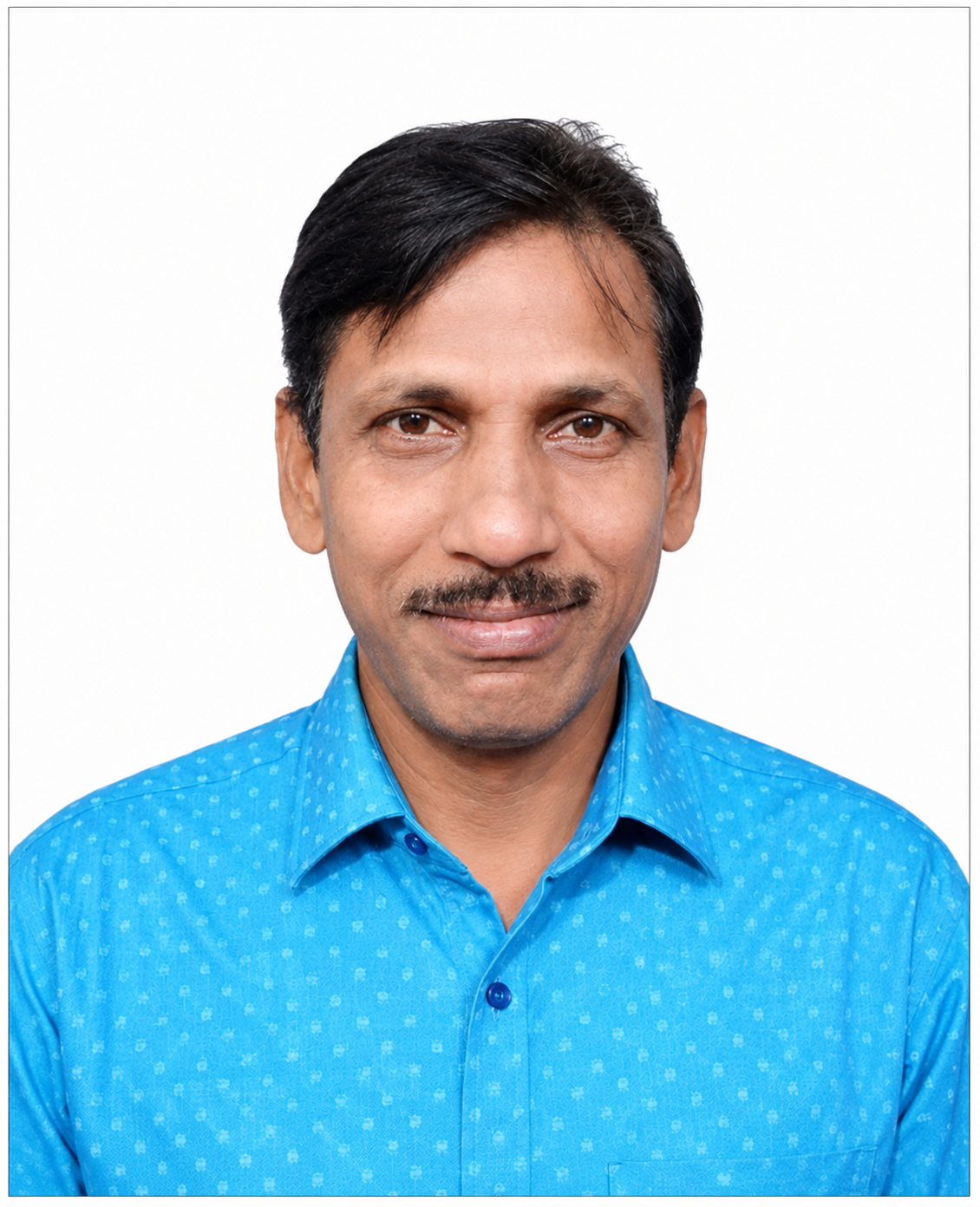
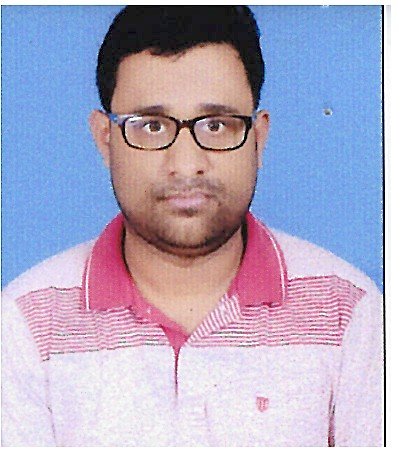
Name Designation Qualification Experience Email Branch Faculty Image Bio Data
Subhashree Das Assistant Professor (HOD) M. Tech 20 Years dassubhashree1982@gmail.com Elect faculty profile Know More →
KRUSHNA CHANDRA SAHOO Assistant Professor M.Tech 17 years krushnachandra.driems@gmail.com Elect faculty profile Know More →
Shashi Bhusan Behera Assistant Professor M.Tech 11 years shashi71.shivam@gmail.com Elect faculty profile Know More →
SUSHIL SWAIN Assistant Professor Mtech 9 years sushil.swainorissa@gmail.com Elect faculty profile Know More →
PRACHI PANDA Assistant Professor Mtech 9 years prachipanda19@gmail.com Elect faculty profile Know More →
Upasana Mohapatra Assistant Professor M.Tech 12 Years upasanamohapatra91@gmail.com Elect faculty profile Know More →
JAYANTA KUMAR MOHAPATRA Lab Technician Btech 13 YEARS jmohapatra1805@gmail.com Elect faculty profile Know More →
SANJAY KUMAR PARIDA Assistant Professor Mtech 12 years sanjaybls10@yahoo.co.in Elect faculty profile Know More →