Civil Engineering
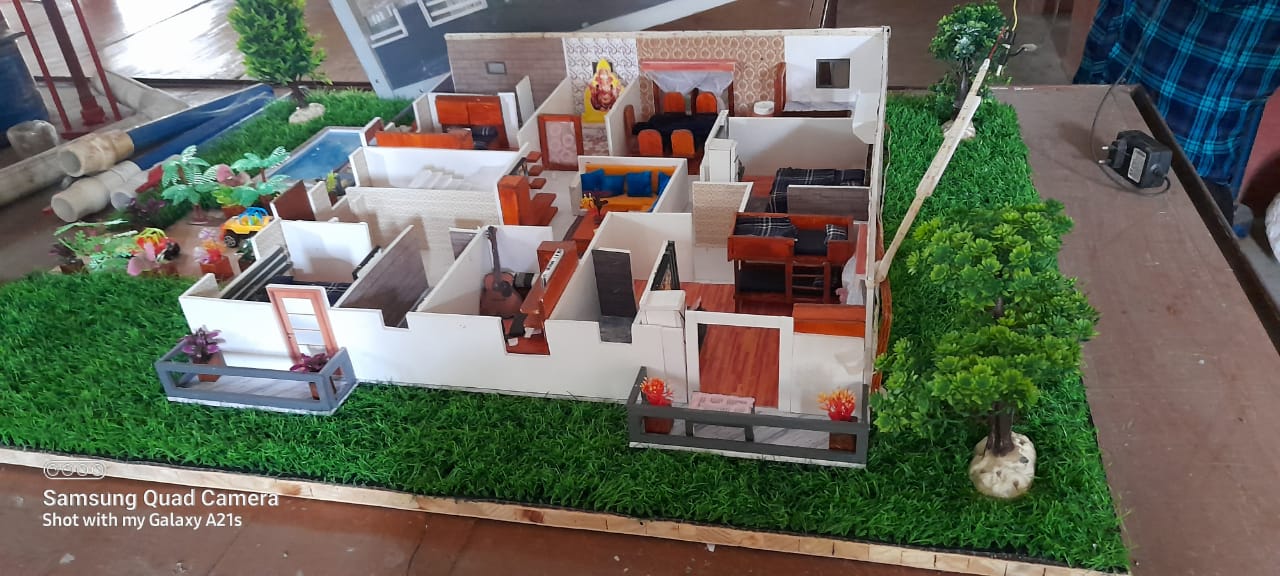
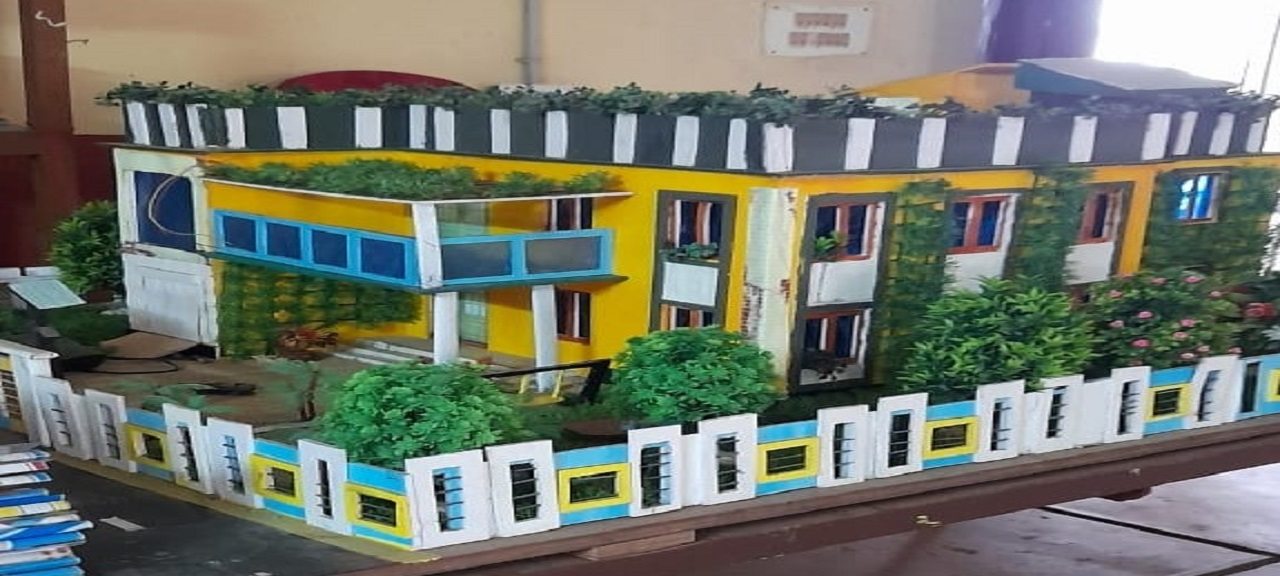
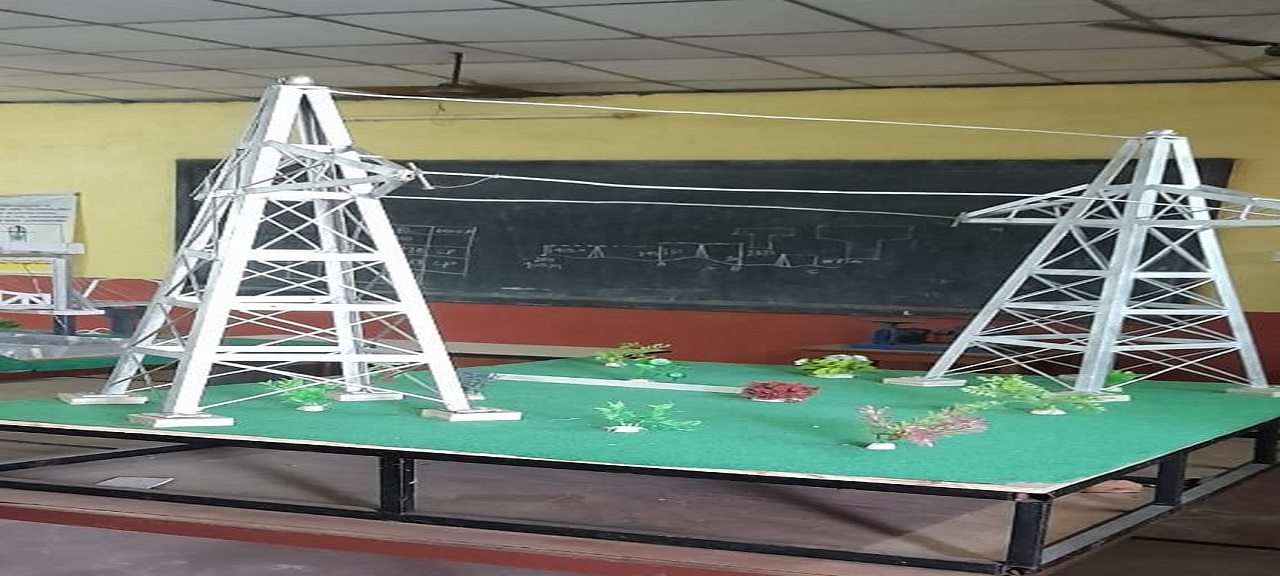
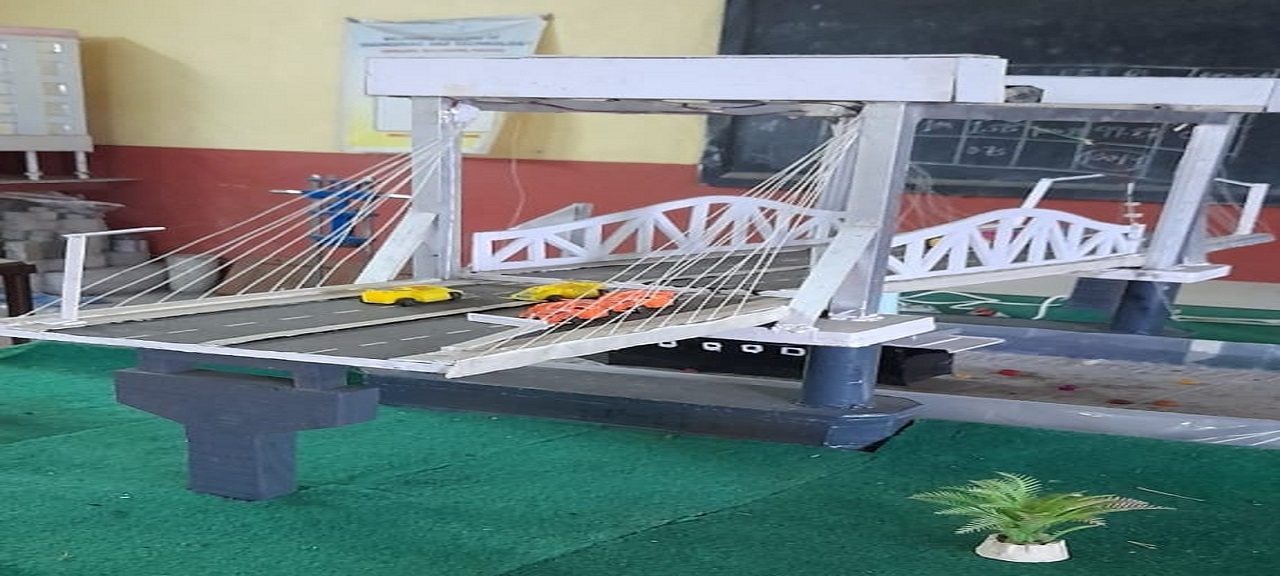
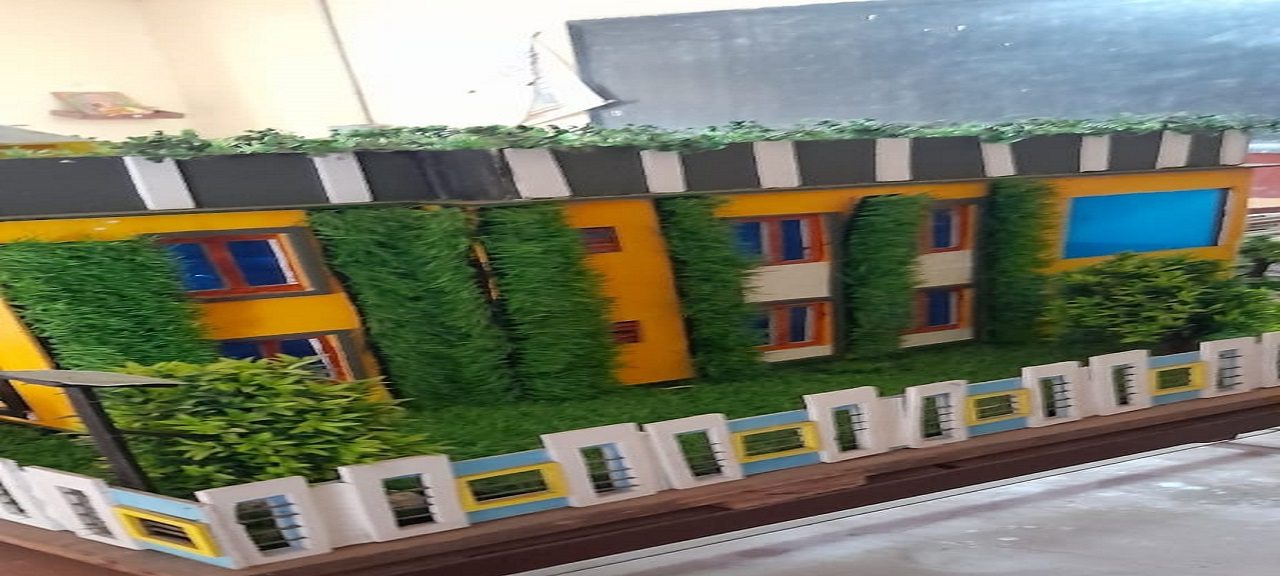
Welcome to CIVIL Engineering Department of Balasore College of Engineering and Technology. We can't imagine the present existence without CIVIL. Over a most recent couple of many years CIVIL Engineering is one of the biggest and quickest developing branches. It covers a wide scope of utilizations, from building drawings, from bridges, estimation. The Department at present offer B.Tech in civil engineering. The Department of civil engineering was established in the Year of 2013.The Department has highly qualified and competent faculty members. The primary objective of the department has been to impart quality education. In order to ensure high standards of education for its students, the department has well-equipped and fully furnished laboratories to supplement the theory courses like the Geotechnical Engineering Lab, Structure Lab, Environmental Engineering Lab, Concrete Lab & Survey Lab. The department aims to develop specialized knowledge in civil Engineering with much emphasis on practical to develop the student’s skills in civil engineering construction and repairs. The department is concerned about the professional needs of the students and arranges various in-house events such as technical events, seminars, webinars, workshops, conferences etc.
Vision
To produce professionally competent civil engineers solving social problems.
Mission
- M1: To provide high quality education in the field of civil engineering and technical skills.
- M2: To prepare students for higher education and sevices to the industry.
- M3: To establish emerging architecture for innovation and research.
Knowledge and Attitude Profile (WK)
- WK1: A systematic, theory-based understanding of the natural sciences applicable to the discipline and awareness of relevant social sciences.
- WK2: Conceptually-based mathematics, numerical analysis, data analysis, statistics, and formal aspects of computer and information science to support detailed analysis and modelling applicable to the discipline.
- WK3: A systematic, theory-based formulation of engineering fundamentals required in the engineering discipline.
- WK4: Engineering specialist knowledge that provides theoretical frameworks and bodies of knowledge for the accepted practice areas in the engineering discipline; much is at the forefront of the discipline.
- WK5: Knowledge, including efficient resource use, environmental impacts, whole-life cost, re-use of resources, net zero carbon, and similar concepts, that supports engineering design and operations in a practice area.
- WK6: Knowledge of engineering practice (technology) in the practice areas in the engineering discipline.
- WK7: Knowledge of the role of engineering in society and identified issues in engineering practice in the discipline, such as the professional responsibility of an engineer to public safety and sustainable development.
- WK8: Engagement with selected knowledge in the current research literature of the discipline, awareness of the power of critical thinking and creative approaches to evaluate emerging issues.
- WK9: Ethics, inclusive behavior, and conduct. Knowledge of professional ethics, responsibilities, and norms of engineering practice. Awareness of the need for diversity by reason of ethnicity, gender, age, physical ability, etc. with mutual understanding and respect, and of inclusive attitudes.
Programme Educational Objectives (PEOs)
- PEO 1: Graduates will be skilled in applying the principles of Civil Engineering, enabling them to succeed in the industry.
- PEO 2: Graduates will be enabled innovative problem-solvers, addressing social, technical and economical challenges with Civil Engineering solutions.
- PEO 3: Graduate will be en-grained innovative knowledge for research and contribution to society.
Programme Outcomes (POs)
-
PO1 - ENGINEERING KNOWLEDGE:
Apply knowledge of mathematics, natural science, computing, engineering fundamentals and an engineering specialization as specified in WK1 to WK4 respectively to develop solutions for complex engineering problems.
-
PO2 - PROBLEM ANALYSIS:
Identify, formulate, review research literature and analyze complex engineering problems reaching substantiated conclusions with consideration for sustainable development. (WK1 to WK4)
-
PO3 - DESIGN/DEVELOPMENT OF SOLUTIONS:
Design creative solutions for complex engineering problems and design/develop systems/components/processes to meet identified needs with consideration for public health and safety, whole-life cost, net zero carbon, culture, society, and environment as required. (WK5)
-
PO4 - CONDUCT INVESTIGATIONS OF COMPLEX PROBLEMS:
Conduct investigations of complex engineering problems using research-based knowledge including design of experiments, modelling, analysis, and interpretation of data to provide valid conclusions. (WK8)
-
PO5 - ENGINEERING TOOL USAGE:
Create, select and apply appropriate techniques, resources, and modern engineering & IT tools, including prediction and modelling, recognizing their limitations to solve complex engineering problems. (WK2 and WK6)
-
PO6 - THE ENGINEER AND THE WORLD:
Analyze and evaluate societal and environmental aspects while solving complex engineering problems for their impact on sustainability with reference to economy, health, safety, legal framework, culture, and environment. (WK1, WK5, and WK7)
-
PO7 - ETHICS:
Apply ethical principles and commit to professional ethics, human values, diversity and inclusion, adhere to national and international laws. (WK9)
-
PO8 - INDIVIDUAL AND COLLABORATIVE TEAMWORK:
Function effectively as an individual, and as a member or leader in diverse/multidisciplinary teams.
-
PO9 - COMMUNICATION:
Communicate effectively and inclusively within the engineering community and society at large, such as being able to comprehend and write effective reports and design documentation, and make effective presentations considering cultural, language, and learning differences.
-
PO10 - PROJECT MANAGEMENT AND FINANCE:
Apply knowledge and understanding of engineering management principles and economic decision-making and apply these to one’s own work, as a member and leader in a team, and to manage projects and multidisciplinary environments.
-
PO11 - LIFE-LONG LEARNING:
Recognize the need for, and have the preparation and ability for:
- Independent and life-long learning.
- Adaptability to new and emerging technologies.
- Critical thinking in the broadest context of technological change.
(WK8)
Programme Specific Outcomes (PSOs)
- PSO 1 - Professional Skills: Graduates will be able to apply technical skill and modern engineering tool for civil engineering day to day practice.
- PSO 2 - Problem-Solving Skills: Graduates will be able to participate in critical thinking and problem solving of civil engineering field that requires analytical and design requirements.
- PSO 3 - Successful Carrier and Enterpreneur Skills: Graduates will be able to pursue of lifelong learning and professional development to face the challenging and emerging needs of our society.
Future Plans
Civil Department has planned:-
- To establish a MATLAB, other Computer Aided Labs.
- To increase industry sponsored students’ projects & IIT/NIT/Other university interactions.
- To establish competitive examination cell.
Facilities
- State-of-art laboratories
- Well qualified faculties
- Seminar hall
Job oppurtunity
Students of the department have job oppurtunities in fields such as water resources , geo technology , surveying , transportation
and more such fields.Students of BCET get guidance from placement cell time to time.